Note by the Secretary of the International Conference:
“Peace and a World Free from Violence from the Perspective of International Law and Monotheistic Religions”
In the Name of God
Introduction:
The escalating crises that have engulfed the international system today are not merely a political impasse; they are rooted in a fundamental rupture—a rupture between legal structures and the fundamental moral values that monotheistic civilizations have safeguarded.
We live in a world where laws have been abundantly codified, yet in practice they have rarely been able to prevent organized violence.
In this regard, the “International Institute for Proximity of Cultures” in line with its specialized and scholarly mission, is holding the second conference on “Peace and a World Free from Violence from the Perspective of International Law and Monotheistic Religions.” Our aim in holding this second conference is not to repeat discussions, but to examine this very dark point: how interfaith ethics can be transformed into a support for the effectiveness of international law.
This conference is the fruit of strategic synergy among scholarly and specialized institutions—from the Faculty of Law and Political Science of the University of Tehran, which was the origin of the first edition of this gathering, to the hosting by Yerevan State University, alongside the participation of the Center for Dialogue among Religions and Cultures of the Islamic Culture and Relations Organization, the Foundation for Dialogue and Friendship among Nations, and the International Association of Jurists Without Borders. The presence of this collection of institutions reflects the shared belief that peace is not the product of agreements behind closed doors, but the result of the simultaneous convergence of legal reason and spiritual wisdom.
But why Yerevan?
In the second step of this path, it is to move closer to cultural centers in the Caucasus region. Armenia, as a historical crossroads linking civilizations, is a suitable context to show how dialogue among religions and legal currents can be fruitful in plural regional contexts.
Conference Program:
This one-day conference is designed in four parts: opening, two specialized panels, and closing—each part being a link in the chain of reaching a shared understanding of peace:
- First Panel – International Law: Examining legal gaps in managing current conflicts and reviewing the responsibility of international institutions.
- Second Panel – Interfaith Dialogue, “Spiritual Diplomacy”: Re-reading the role of monotheistic religions as soft power to curb violence and strengthen coexistence.
Output and Vision:
Despite the time constraints, we seek depth. The output of this one-day gathering is the formation of a “shared literature” and the drafting of operational solutions. We seek to articulate perspectives that, relying on the collective wisdom of the participating professors, will be presented in the form of specialized reports and policy proposals to relevant institutions, so that the impact of these dialogues may go beyond the conference hall and reach the arena of decision-making.
In conclusion:
This conference is an invitation to an active solidarity. We believe that peace is the ultimate product of respect for human dignity—a principle that lies at the center of all Abrahamic religions and at the foundation of all international documents. It is hoped that, through the synergy of elites on this single day, we will take a tangible step toward a world in which anger has given way to wisdom and justice.
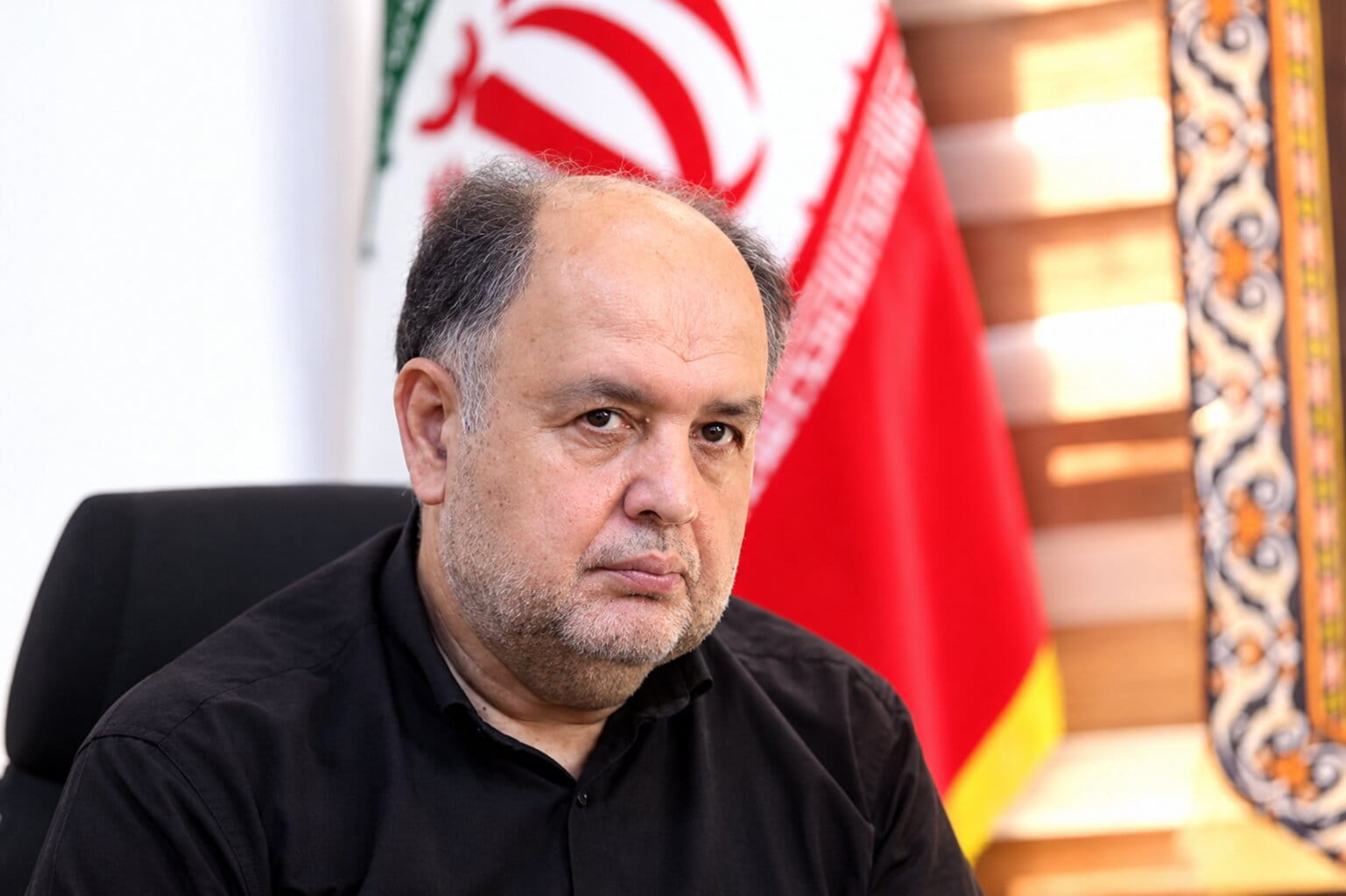
Fereydoun Bagheri – Secretary of the Conference