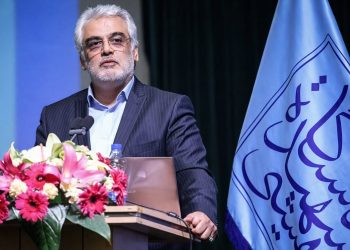
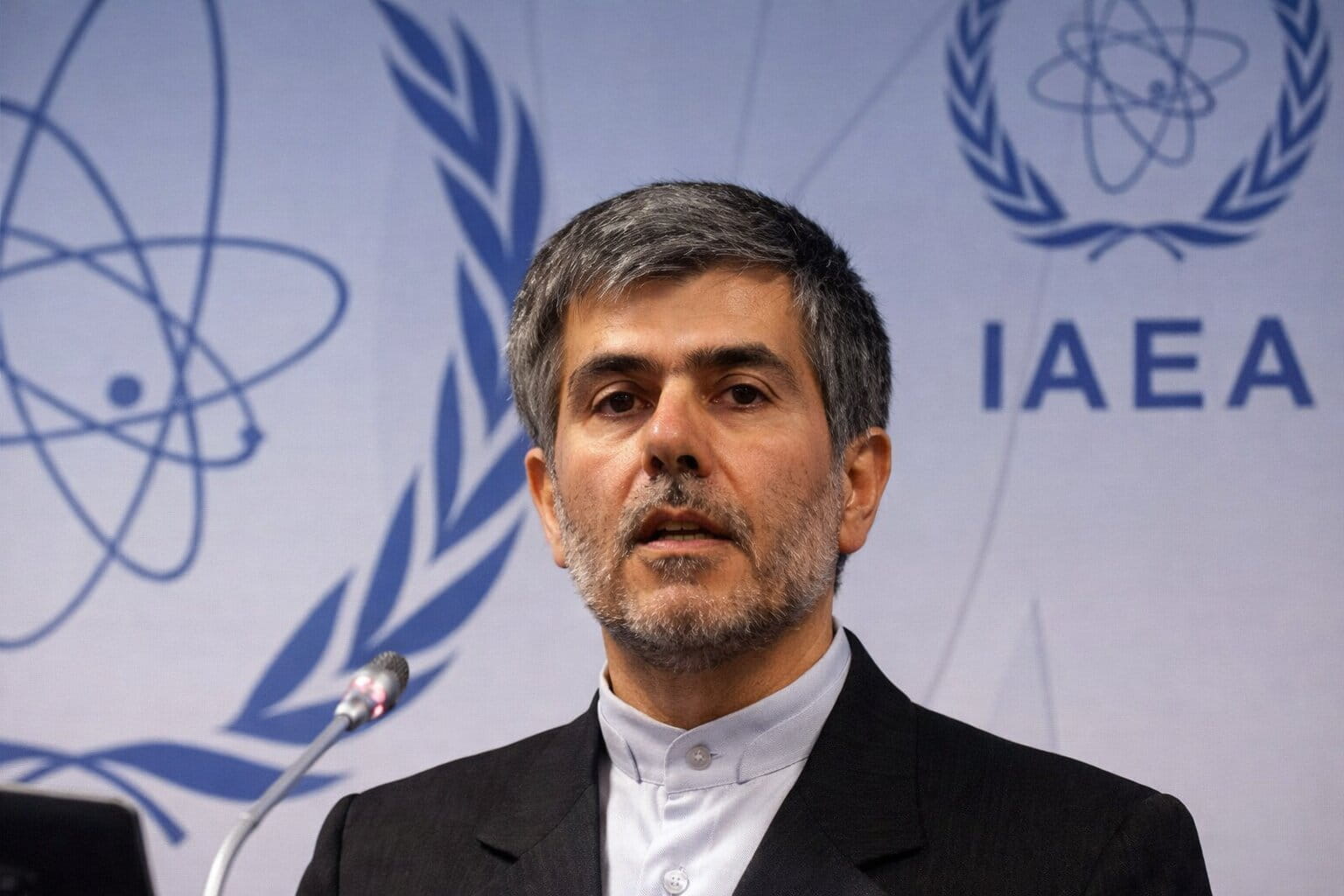
Progress in peaceful nuclear science undoubtedly serves the public interest and benefits the people. Iranian nuclear scientists, committed to this principle, have taken significant steps to advance the country’s capabilities in areas such as medicine and food security. Dr. Fereydoon Abbasi-Davani is one of these dedicated scientists driving Iran’s progress.
Dr. Abbasi earned a bachelor’s degree in nuclear physics from Shiraz University (1984), a master’s degree in nuclear physics from Ferdowsi University of Mashhad (1987), and a PhD in nuclear engineering from Amirkabir University of Technology (2002). He had a teaching career at Imam Hossein University, Shahid Beheshti University, and Malek Ashtar University of Technology. In 2010, he was targeted for assassination by Israeli operatives but survived. Despite these threats, he remained steadfast in his pursuits.
Dr. Abbasi specialized in various areas of nuclear physics and engineering, including plasma medicine, medical isotopes, radiation therapy, nuclear fusion, radiation safety and protection, the nuclear fuel cycle, the design of nuclear reactors and centrifuges, the construction of nuclear detectors and data acquisition systems, nuclear radiation detection and measurement, accelerator design, and advanced technologies such as dense plasma focus. A significant portion of these fields is highly beneficial to medical knowledge and industry. Additionally, Dr. Abbasi was one of the leading laser specialists at the Ministry of Defense of the Islamic Republic of Iran.
According to Scopus data, he has published 113 articles and documents.[1] In contrast, Google Scholar lists 147 publications for him. According to this source, his work has received a total of 673 citations, his h-index is 13, and 21 of his papers have been cited 10 or more times. A review of the Google Scholar data reveals that many of the citing authors are non-Iranian researchers.[2] For instance, one of his articles in the esteemed Elsevier-affiliated journal “Nuclear Medicine and Biology” has been cited 65 times.[3]
Dr. Abbasi served for a period as the Head of the Atomic Energy Organization of Iran and was also a member of the 11th Islamic Consultative Assembly (Parliament), where he chaired the Energy Commission during his first year. Additionally, in his youth, he actively participated in the Eight-Year War (Iran-Iraq War) as a member of logistical support and construction units. These diverse experiences demonstrate that his role and impact extended beyond the field of nuclear science.
Dr. Abbasi was martyred on 13 June 2024, following an Israeli airstrike on his residence, which also resulted in the deaths of several neighbors. Israel claimed the attack was targeted, yet it led to numerous civilian casualties. The Israeli alleges that Martyr Abbasi posed a threat to international peace—claims that are part of a propaganda campaign aimed at both his physical assassination and the assassination of his character. This act not only violates the right to life and the principles of international humanitarian law but also deprives individuals of the right to benefit from scientific advancement. The record of Dr. Abbasi’s nuclear activities and research shows that his assassination has deprived not only Iranian society but the global community of his expertise. Now, human rights institutions, rapporteurs, and experts must take a firm stance against such destabilizing actions.
[1]. https://www.sciencedirect.com/author/36657044200/fereydoun-abbasi-davani
[2]. https://scholar.google.com/citations?user=QyLMzcYAAAAJ&hl=en
[3].https://scholar.google.com/citations?view_op=view_citation&hl=en&user=QyLMzcYAAAAJ&citation_for_view=QyLMzcYAAAAJ:u5HHmVD_uO8C