- Executive Summary
During the recent military aggression perpetrated by United States and Zionist regime forces, Iran’s civilian health and research infrastructure suffered extensive and systematic damage. According to statements made by Iran’s Minister of Health, the attacks specifically targeted scientific research centers, universities, hospitals, clinics, and emergency medical vehicles. The deliberate nature of these strikes constitutes a grave violation of international humanitarian law, which grants special protection to medical units, transport, and facilities under all circumstances.
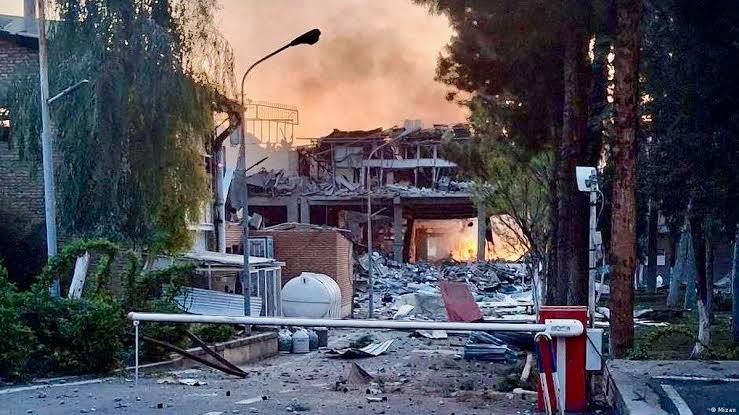
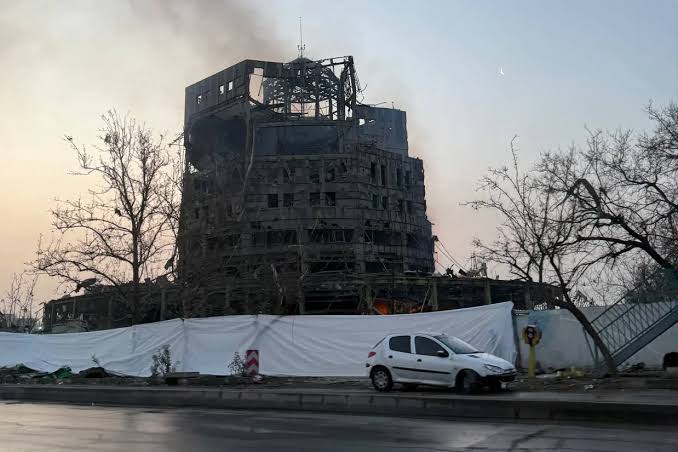
- Damage to the Pasteur Institute
The Pasteur Institute of Iran, a nationally and internationally recognized biomedical research center dedicated to vaccine production, infectious disease control, and public health research, was among the primary targets of the aggressor forces.
According to the Minister of Health, the cost of reconstruction and repair of damaged sections of the Pasteur Institute alone amounts to a minimum of three thousand billion Iranian tomans. This figure reflects not only structural destruction but also the loss of sensitive laboratory equipment, research materials, biological samples, vaccine production lines, and years of accumulated scientific work.
The targeting of the Pasteur Institute is particularly significant under international law. Research institutes of this nature are exclusively civilian objects. They serve no military purpose whatsoever. Under Article 52 of Additional Protocol I to the Geneva Conventions, attacks must be strictly limited to military objectives. Civilian objects, including scientific and medical research facilities, are protected from attack unless they are being used for hostile military actions. No such evidence has been presented by the attacking forces.
The Minister of Health explicitly stated that targeting research and academic centers demonstrates the malice of the enemy. From a legal perspective, this malice translates into willful intent to destroy civilian scientific capacity—an act that may constitute a war crime under Article 8(2)(b)(ix) of the Rome Statute, which prohibits intentionally directing attacks against buildings dedicated to science or charitable purposes, provided they are not military objectives.
III. Systematic Damage to Healthcare Infrastructure
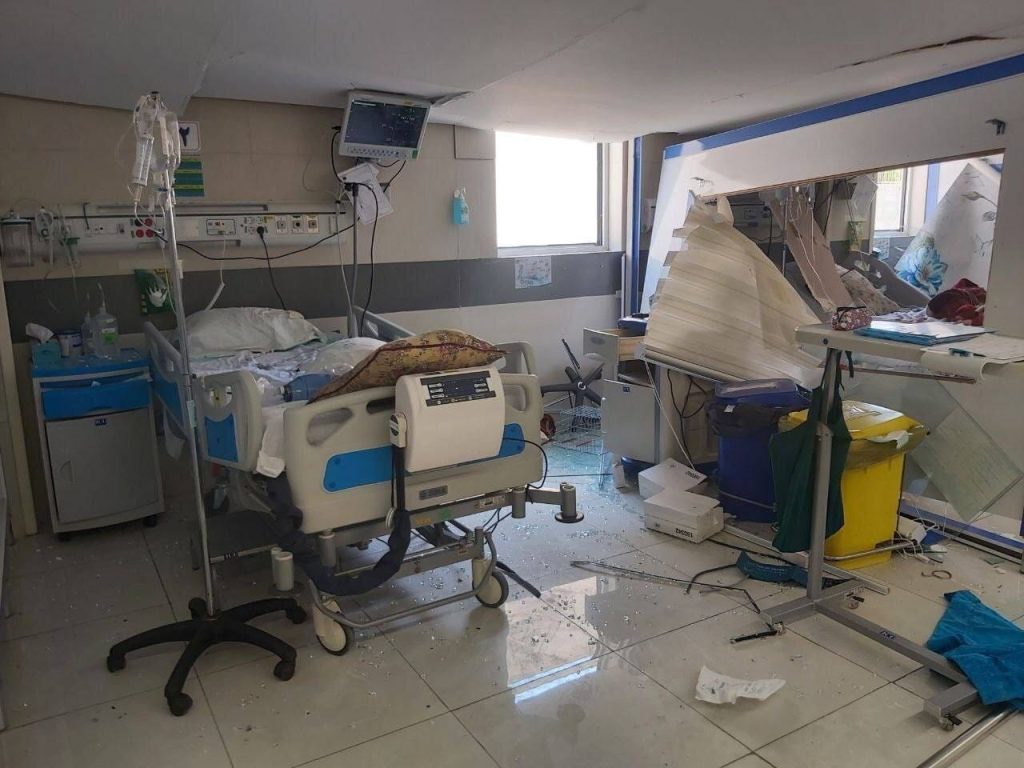
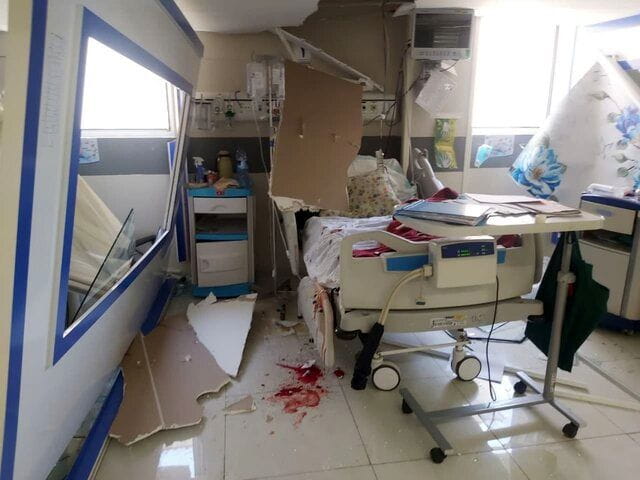
Beyond the Pasteur Institute, the attacks resulted in widespread destruction across Iran’s civilian healthcare system. The Minister of Health provided the following figures, each of which is analyzed below:
- Two Hundred and Nineteen Damaged Health Centers
Two hundred and nineteen primary health centers—facilities that provide routine vaccinations, maternal and child health services, disease screening, and basic outpatient care—were damaged. These centers serve local communities, particularly in rural and underserved areas. Their destruction disrupts preventive medicine, endangers vaccine supply chains, and denies ordinary civilians access to essential health services. Under the Geneva Conventions, medical units are protected objects. The scale of damage—over two hundred facilities—indicates a pattern of systematic targeting rather than incidental collateral damage.
- Fifty-One Damaged Treatment Centers and Hospitals
Fifty-one hospitals and specialized treatment centers were also damaged. Hospitals enjoy the highest level of protection under international humanitarian law. Article 18 of the Fourth Geneva Convention states that civilian hospitals shall not be the object of attack. Furthermore, the distinctive emblems of the Red Cross, Red Crescent, and Red Crystal are intended to mark medical facilities as immune from attack. The damage to fifty-one such facilities—each potentially containing hundreds of patients, including the wounded, the sick, women in labor, and children—represents a massive violation of the principle of medical neutrality. Even if military personnel were present in any of these hospitals, which has not been demonstrated, the attacking forces would have been required to issue a warning and allow time for evacuation before any strike, as mandated by Article 19 of the Fourth Geneva Convention.
- Forty-Seven Damaged Ambulances
Forty-seven ambulances—dedicated medical transport vehicles—were also damaged or destroyed. Ambulances are explicitly protected under Article 35 of the First Geneva Convention, which extends protection to medical transport. The distinctive markings of ambulances are internationally recognized signals of non-combatant status. The targeting or damaging of forty-seven ambulances indicates either a reckless disregard for internationally protected symbols or a deliberate effort to paralyze emergency medical response. Both constitute serious violations of the laws of armed conflict. When ambulances cannot reach the wounded, the right to medical care—a fundamental human right under Article 12 of the International Covenant on Economic, Social and Cultural Rights—is systematically denied.
- Legal Analysis and Violations
The combined damage to the Pasteur Institute, two hundred and nineteen health centers, fifty-one hospitals, and forty-seven ambulances establishes a pattern of deliberate or grossly negligent attacks on protected medical and scientific objects. The following specific violations of international law are identified:
- Violation of the Principle of Distinction (Article 48, Additional Protocol I)
The attacking forces failed to distinguish between military objectives and civilian medical and research facilities. Scientific institutes, health centers, hospitals, and ambulances are, by definition, civilian objects. No evidence of their use for hostile military purposes has been provided. Their systematic damage therefore constitutes a direct violation of the principle of distinction.
- Violation of Special Protection for Medical Units (Articles 18–19, Fourth Geneva Convention; Article 12, Additional Protocol I)
Civilian hospitals and health centers enjoy special protection under international law. They shall not be the object of attack. The damage to fifty-one hospitals and two hundred and nineteen health centers represents a widespread breach of this protection.
- Violation of Protection for Medical Transport (Article 35, First Geneva Convention; Article 21, Additional Protocol I)
Ambulances are protected medical transport. The damage to forty-seven ambulances constitutes a violation of the obligation to respect and protect medical vehicles, even when they are not marked with the Red Crescent or Red Cross emblem, provided their medical function is known or recognizable.
- Violation of Protection for Scientific and Charitable Buildings (Article 56, Fourth Geneva Convention; Article 8(2)(b)(ix), Rome Statute)
The Pasteur Institute, as a scientific research center dedicated to public health and charity, is explicitly protected from attack. Its deliberate targeting may constitute a war crime under the Rome Statute.
- Violation of the Right to Health (Article 12, International Covenant on Economic, Social and Cultural Rights)
The destruction of health infrastructure, research capacity, and emergency transport directly undermines the right of the Iranian civilian population to the highest attainable standard of physical and mental health. This is a violation of customary international human rights law, which applies even during armed conflict.
- The Significance of the Three Thousand Billion Tomans Figure
The reconstruction cost of three thousand billion Iranian tomans for the Pasteur Institute alone is not merely an economic statistic. In legal terms, it represents the magnitude of the harm inflicted on a protected civilian object. The International Criminal Court considers the scale of damage as a factor in determining the gravity of war crimes. The deliberate destruction of scientific infrastructure of this value, combined with the damage to over three hundred healthcare facilities and vehicles, points to a policy of systematically dismantling Iran’s civilian health and research capacity—a potential crime against humanity under Article 7 of the Rome Statute, specifically the crime of “other inhumane acts of a similar character intentionally causing great suffering, or serious injury to body or to mental or physical health.”
- Conclusion and Call to Action
The attacks on the Pasteur Institute, two hundred and nineteen health centers, fifty-one hospitals, and forty-seven ambulances represent one of the most systematic assaults on protected medical and scientific infrastructure in recent memory. The deliberate targeting of vaccine research, hospitals, and emergency transport indicates not mere negligence but a calculated strategy to maximize civilian suffering.
The international community is urgently called upon to:
- Refer the documented attacks on the Pasteur Institute and healthcare facilities to the International Criminal Court as potential war crimes under Article 8(2)(b)(ix) and (xxiv) of the Rome Statute.
- Demand that the World Health Organization conduct an independent investigation into the damage to Iran’s health infrastructure and its impact on civilian mortality and morbidity.
- Call upon the International Committee of the Red Cross to verify the damage to fifty-one hospitals and forty-seven ambulances as violations of medical neutrality.
- Impose sanctions on military commanders of the United States and the Zionist regime who authorized strikes on protected scientific and medical objects.
- Recognize the three thousand billion tomans in damage to the Pasteur Institute as evidence of willful and unlawful destruction of civilian scientific heritage.