


- Overview
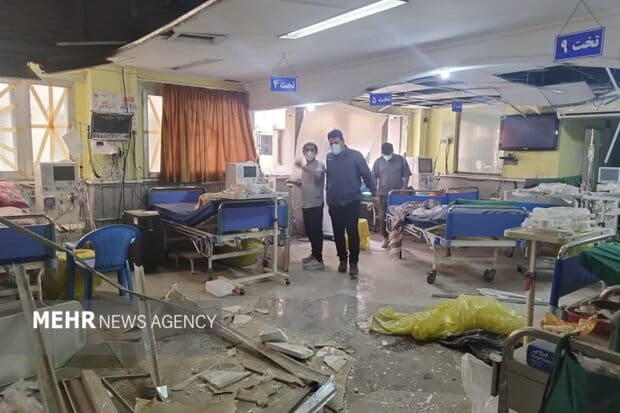
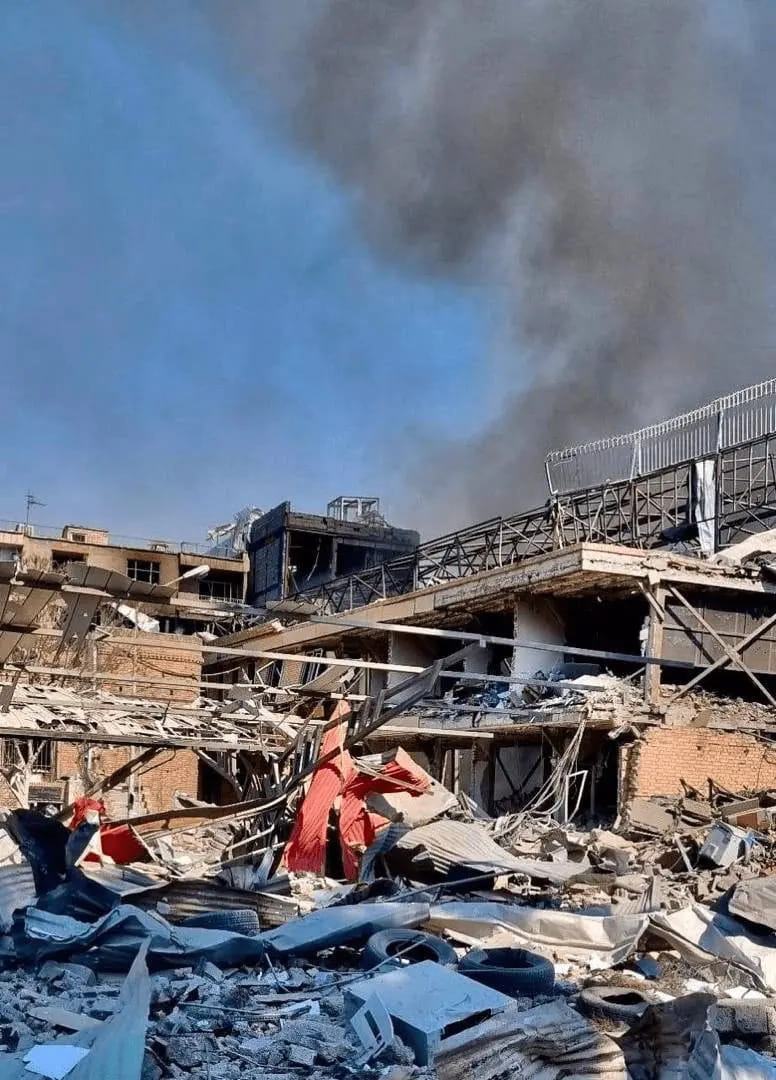
This report examines the human rights implications of recent military attacks attributed to United States and Israeli forces, which have resulted in significant damage to civilian and medical infrastructure in Iran. The data, provided by the Iranian Ministry of Health, indicates a pattern of harm affecting healthcare facilities, medical personnel, and vulnerable civilian populations, raising serious concerns under international humanitarian law (IHL). - Damage to Medical Infrastructure
According to official sources:
• 54 emergency response bases have been damaged.
• 46 treatment centers and 216 health centers have sustained damage.
• 8 hospitals in Tehran have been forced to evacuate.
• 41 ambulances have been damaged or destroyed.
The scale and distribution of these incidents suggest that essential healthcare capacity has been severely disrupted. The evacuation of hospitals in the capital, Tehran, is particularly alarming, as it directly compromises access to urgent and life-saving medical services.
Under IHL, particularly the principles enshrined in the Geneva Conventions, medical units and transports must be respected and protected at all times. Attacks on such facilities may constitute serious violations if conducted intentionally or without adequate precaution.
- Civilian Casualties
The human toll of these attacks has been substantial, particularly among vulnerable groups:
Killed:
• 251 women
• 216 children under 18
• 17 children under 5
Injured:
• 4,721 women
• 1,917 children under 18
• 68 infants under 2
Tehran and Hormozgan provinces have recorded the highest number of fatalities.
The disproportionate impact on women and children raises concerns regarding the principles of distinction and proportionality, which are core tenets of IHL. These principles require parties to a conflict to distinguish between civilian and military targets and to avoid excessive civilian harm relative to anticipated military advantage.
- Impact on Healthcare Services
Despite the extensive damage, the Iranian healthcare system has continued to respond:
• 32,533 individuals have received treatment and been discharged.
• 480 patients remain hospitalized.
• 1,200 surgical operations have been conducted on the injured.
However, the forced evacuation of hospitals and destruction of emergency infrastructure have significantly strained medical capacity, potentially leading to preventable deaths and long-term health consequences.
- Harm to Medical Personnel
Healthcare workers have also been directly affected:
• 117 members of medical and emergency teams injured
• 24 healthcare workers killed while responding to the crisis
Medical personnel are protected under international law and must not be targeted. Their loss not only represents individual tragedies but also undermines the resilience of the healthcare system during emergencies.
- Legal Assessment
The reported incidents raise serious legal concerns under international humanitarian law, including:
• Possible violations of the protection of medical units and personnel
• Potential breaches of the principle of proportionality
• Failure to take adequate precautions to minimize civilian harm
If verified, such actions could amount to grave breaches of the Geneva Conventions and may entail international responsibility.
- Conclusion
The scale of destruction inflicted upon Iran’s healthcare infrastructure, combined with the high number of civilian casualties—particularly among women and children—demands urgent international attention. Ensuring accountability, safeguarding medical neutrality, and reinforcing compliance with international humanitarian law are critical to preventing further human suffering.

Date: April 2026
Location: Islamic Republic of Iran