


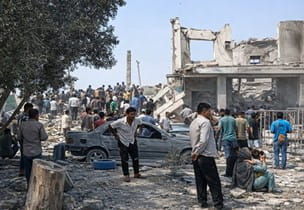
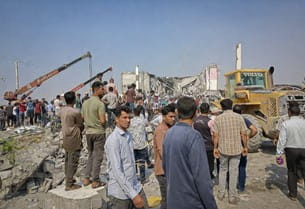
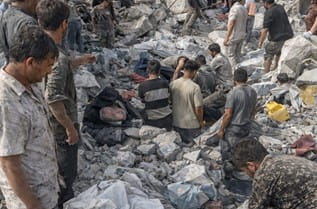
Recent military strikes in several areas of the Islamic Republic of Iran have reportedly resulted in significant civilian casualties and damage to essential civilian infrastructure.
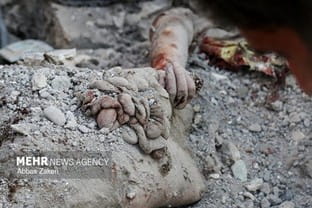
Preliminary information from local authorities, health services, and emergency responders indicates that a considerable number of civilians were killed or injured, including women and children. Several incidents also reportedly involved damage to schools, hospitals, residential neighborhoods, and public spaces.
These developments raise serious humanitarian and human rights concerns, particularly regarding the protection of civilians during armed conflict. The following brief summarizes several reported incidents and highlights their humanitarian implications, especially for women and children.
Attack on a Girls’ School in Minab
One of the most serious reported incidents concerns a girls’ primary school in the city of Minab, located in Hormozgan Province in southern Iran.
According to preliminary information from education authorities, 165 schoolgirls were killed and more than 110 students were injured following a strike that affected the school.
For many observers, this incident has become one of the most tragic examples of the human cost of the recent violence.
Schools are universally recognized as protected civilian spaces where children should be able to learn and grow in safety. When schools are affected by armed violence, the consequences extend far beyond the immediate casualties. Such incidents profoundly affect families, traumatize communities, and disrupt the entire educational environment.


Impact on Children
Children appear to have been among the victims in several reported incidents.
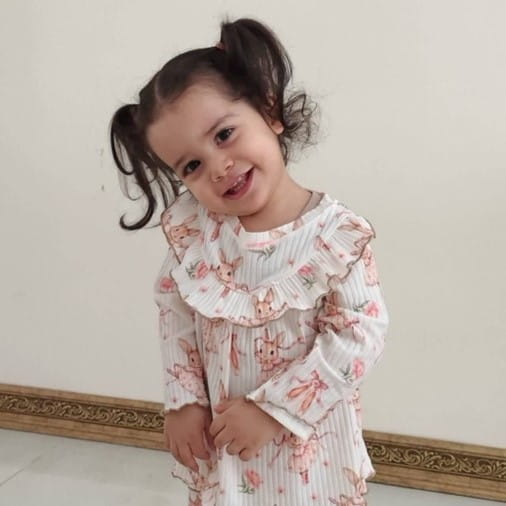
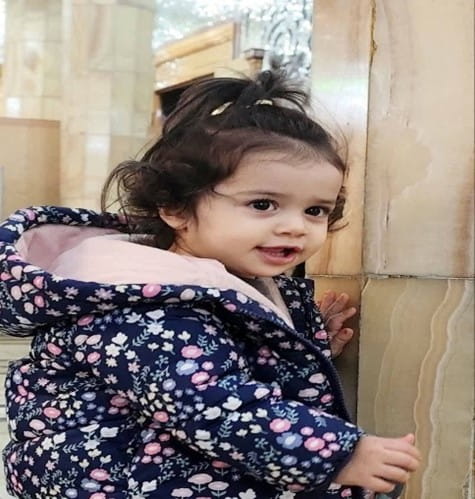
Reports indicate that a two-year-old girl named Zeynab was killed in Tehran during one of the strikes.
Available health data also suggest that a significant number of the victims were minors, including many under the age of eighteen.
Children are among the most vulnerable populations in situations of armed conflict. In addition to the immediate risks of injury or death, children often face long-term psychological trauma, disruption of education, and loss of access to healthcare.


Impact on Hospitals and Medical Services
Another major concern relates to reported damage to hospitals and medical facilities.
Reports indicate that Gandhi Hospital in Tehran, which provides services to children and families, was affected during the strikes.
In addition, hospitals and emergency medical bases in cities such as Ahvaz and Tehran were reportedly damaged.
Two emergency medical workers were also reportedly killed in Shiraz while performing their duties.
Healthcare facilities and medical personnel are afforded special protection under international humanitarian law. When hospitals and emergency services are disrupted, the consequences for civilians can be severe, particularly for women, pregnant mothers, newborns, and children who depend on regular access to medical care.
Impact on Civilian Areas
Several civilian environments have also reportedly been affected.
These include residential neighborhoods, roadside service areas used by travelers, and public spaces used by families.
For example, missile strikes reportedly affected roadside service areas along the Zanjan–Qazvin highway, resulting in civilian casualties.
Reports also indicate damage to public recreational spaces and sports facilities, including parts of the Azadi Sports Complex in Tehran.
Damage to civilian infrastructure can severely disrupt daily life and increase the vulnerability of families and communities.
Gendered Impact on Women
Beyond the immediate casualties, these incidents also have broader gender-specific consequences.
In many situations, women carry the primary responsibility for caregiving within families. When children are injured, when homes are damaged, or when healthcare services are disrupted, women often bear the burden of caring for injured relatives and supporting traumatized children.
For this reason, the humanitarian consequences of such incidents frequently have a strong gender dimension.
Legal and Humanitarian Concerns
From the perspective of international humanitarian law, these incidents raise serious concerns regarding the protection of civilians.
Three fundamental principles are particularly relevant:
Distinction: Parties to a conflict must distinguish between military objectives and civilian objects.
Proportionality: Attacks must not cause excessive civilian harm in relation to the anticipated military advantage.
Precaution in attack: All feasible precautions must be taken to minimize harm to civilians and civilian infrastructure.
When schools, hospitals, residential neighborhoods, and public spaces are affected, independent documentation and international attention become particularly important.
The reported incidents indicate significant humanitarian consequences affecting civilians, particularly women, girls, and children.
The scale of reported civilian harm, including the deaths of schoolchildren and damage to healthcare infrastructure, highlights the importance of careful documentation and international awareness.
Ensuring the protection of civilians remains a central obligation under international humanitarian law, and incidents affecting children, schools, and medical facilities deserve particular attention from the international community.
March 2026